Hyundai’s key strategy for 2013 is built on qualitative growth and global competitiveness — and four bold movements are reshaping what the brand stands for on the world stage.
Hyundai’s key strategy is based on qualitative growth and global competitiveness. The biggest aim of this Korean multinational conglomerate is to deliver customer satisfaction and best quality at every point. Investment in electronic control technology and eco-friendly vehicles is expanding from year to year in order to secure technology competitiveness.
1. First Movement — Hyundai’s Luxury Vehicle Sales Growth
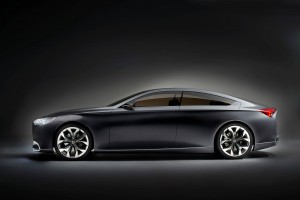
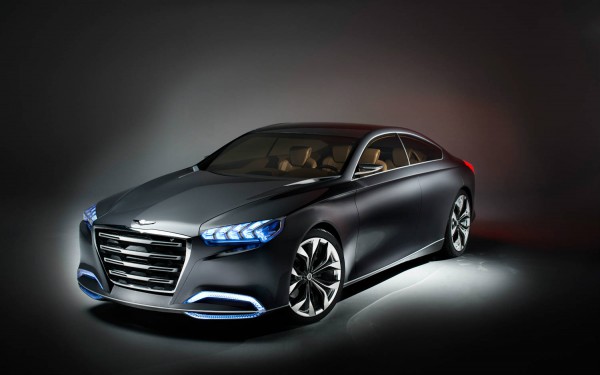
Hyundai launched its HCD-14 Genesis luxury concept at the Detroit Motor Show in order to secure the company’s technology and future premium competitiveness — showcasing cutting-edge technologies such as an innovative eye-catching design and gesture controls.
HCD-14 Genesis indicates the focus of design direction for future vehicles that will be produced in the premium segments. As a result, sales of Hyundai’s luxury vehicles have shown remarkable growth worldwide, especially in the U.S., Middle East and China.
2. Second Movement — Hyundai ix35 Fuel Cell Mass Production
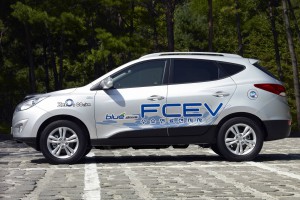
The second movement from Hyundai’s Key Strategy in 2013 is the beginning of assembly line production for public and private lease of the ix35 Fuel Cell. With this move, Hyundai became the world’s first automaker to begin series production of zero-emissions vehicles.
For these remarkable results in preserving the environment, the biggest Korean automobile producer received the prestigious “FuturAuto” award at the 2013 Brussels Motor Show. The Hyundai ix35 FCEV started to prove its capabilities on official test-drive events for EU policymakers in Brussels.
3. Third Movement — Preparing for WRC Debut with Hyundai i20
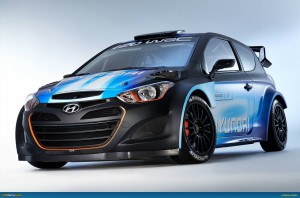
Hyundai improved its team for a successful start in the World Rally Championship (WRC) in 2014. After its demonstration at the Paris Motor Show, Hyundai upgraded the i20 WRC through private testing and intensive technology development.
Several updates were made to the aerodynamics, chassis and the vehicle’s cooling system. The collaboration between Hyundai’s R&D Center in Korea, Hyundai’s Europe Center in Alzenau, Germany, and WRC Principal Michel Nandan is already operating at the highest level.
4. Fourth Movement — New Vehicle Test Center in Nürburgring, Germany

Hyundai revealed its plans for a 5.5 million euro investment for a vehicle test centre at the legendary Nürburgring circuit in Germany. This commitment demonstrates the brand’s resolve to develop the quality and performance of vehicles designated for the European market.
With the construction of this centre beside the test track, Hyundai will upgrade the driving dynamics, durability and reliability of its cars to meet the demanding expectations of European drivers — arguably the world’s most discerning automotive audience.
Watch — Hyundai Brand Innovation 2013 Overview